What was built
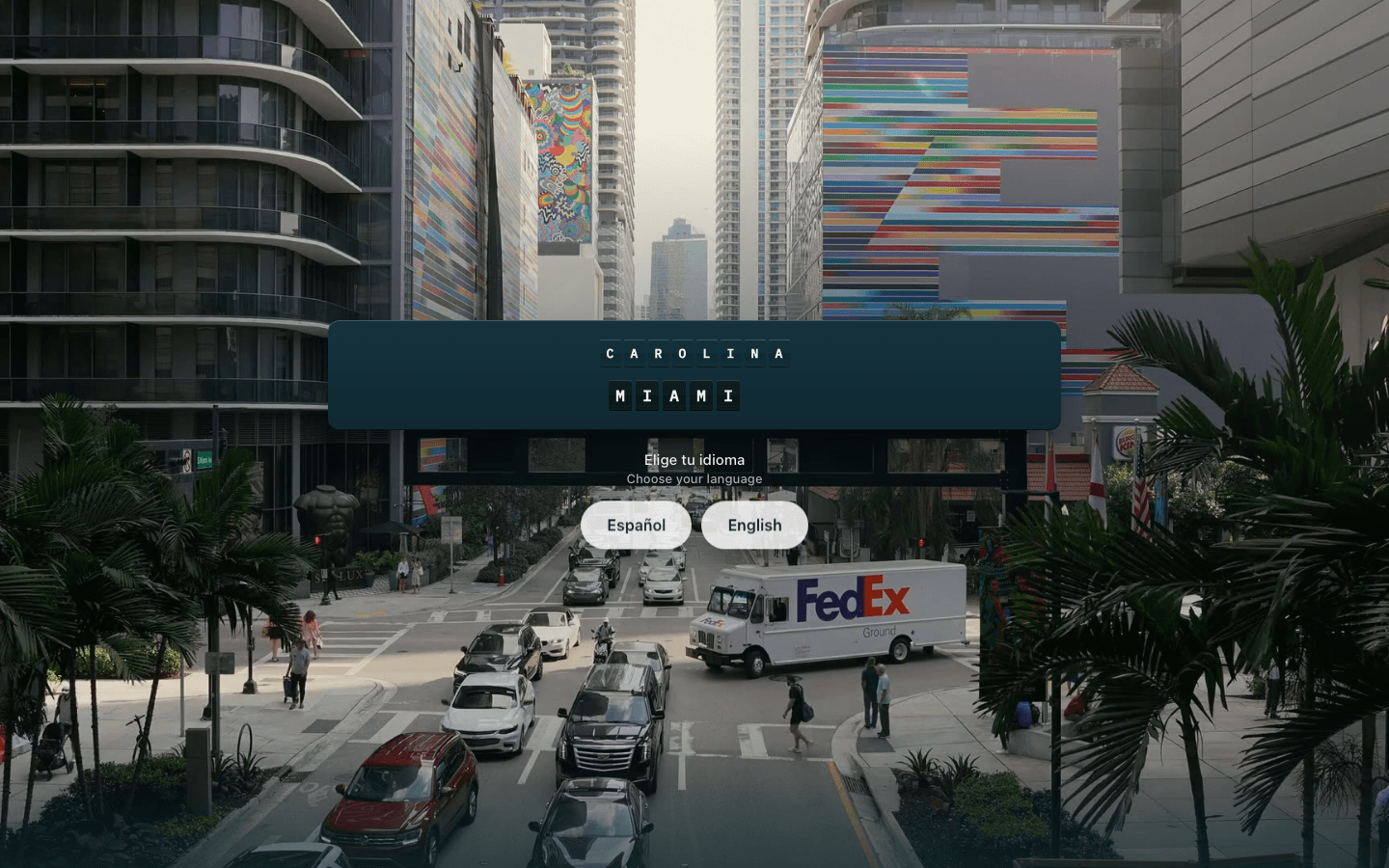
A bilingual real-estate website that guides Miami buyers through current listing links, building discovery, rental routes and direct contact with Carolina. The work is presented as a live website example, not as a generic web-design mockup. Its public surface gives a prospective client a way to inspect the tone, information hierarchy and next-step choices in a real context. The live website at https://carosellsmiami.com/ is the public source for this case. It confirms a currently reachable product surface and the visitor-facing capabilities named below. It does not, by itself, prove traffic, leads, revenue, rankings, citations, conversion rate, or a customer outcome.
The role for this case is website designer and real-estate information-systems integrator. The deliverable is bilingual buyer journey, building-discovery system, live listing links and lead-capture experience. That description is intentionally narrower than an outcome claim: it says what a visitor can see and use today, while leaving commercial performance to a separate dated measurement.
- Bilingual buyer routes for sales, rentals and building research
- Links into current listing search with availability confirmed by the agent
- Direct WhatsApp and web-form contact paths
Information and visitor path
A useful website does not ask a visitor to decode an internal process before finding the point of the page. The first screen must say what the business offers and what a person can do next. From there, the site should let a visitor go deeper only when it is relevant: compare an option, inspect a category, understand a service or start a direct conversation.
That is the pattern documented in this example. The public path is evidence of a designed interface and content system, not evidence that every visitor completes the next step. Any future project needs its own visitor, offer, content source, data owner and contact handoff before it can be judged against this work.
What can be verified now
The current public page is reachable at https://carosellsmiami.com/. The facts listed on this page stay limited to what was observed on that live surface and to the delivered website system. They are sufficient to show the shape of the work: a named site, a readable journey and a direct way to continue.
This page deliberately does not import dashboard numbers, client testimonials, search performance or commercial claims without a dated source. A live page and a live interaction are stronger evidence than an old presentation, but they are still not a business result. Keeping that distinction visible makes this case study useful for an honest project conversation.
How a comparable website starts
A comparable project begins by naming the visitor and the decision they need to make. Then the business confirms the facts, images, listings, products, articles or service details that belong on the page, who updates them and where an inquiry should go. The visual direction follows the business identity instead of copying this project's look.
Before launch, the important checks are mobile reading, visible actions, keyboard access, raw HTML for the facts that must be crawlable, and the real boundary behind a contact or application action. After launch, a dated measurement plan can determine whether the site creates qualified inquiries. That later measurement is not substituted with a design claim here.
What remains unmeasured
This case does not claim that the website caused a ranking change, an AI citation, a lead, a booking, a sale or a revenue result. Those are separate outcomes and require their own source, date, denominator and comparison window. A visitor can inspect the public work now; the performance question remains open until it is measured.
For a new project, that boundary is practical rather than defensive. It keeps the conversation on the system that needs to be built, the information that needs to stay accurate and the measurable next action. Esteban can then scope the website around the actual business workflow instead of promising that one existing example guarantees an identical result.
How to evaluate and scope a project with comparable needs?
Every video production or web development project begins with clear scoping questions regarding available assets, business objectives, and required deliverables. No fixed pricing is quoted before evaluating these factors:
See the 5 questions
- 1Who needs to recognize themselves in the first screen?
- 2What information must a visitor find before they contact the business?
- 3Which current data, listings, articles, or tools need a reliable owner and update path?
- 4What must happen after a visitor asks a question?
- 5Which business outcome will be measured after release?