01
Where should the microphone go for clear interview dialogue?
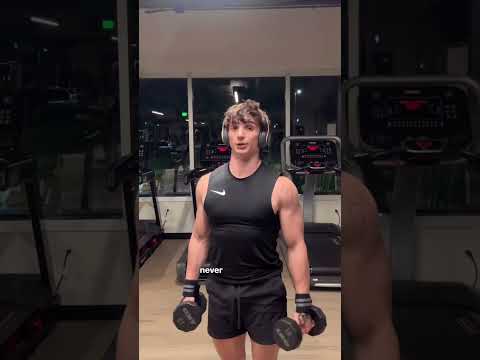
Close to the mouth and away from anything that moves. A lavalier clipped to the shirt or jacket about a hand's width below the chin picks up the voice strongly and the room weakly, which is exactly the balance an editor needs. Run the cable under the clothing and tape a small loop near the clip so the microphone does not tug or rub when the person shifts; rustle is the most common lavalier problem and it cannot be filtered out cleanly.
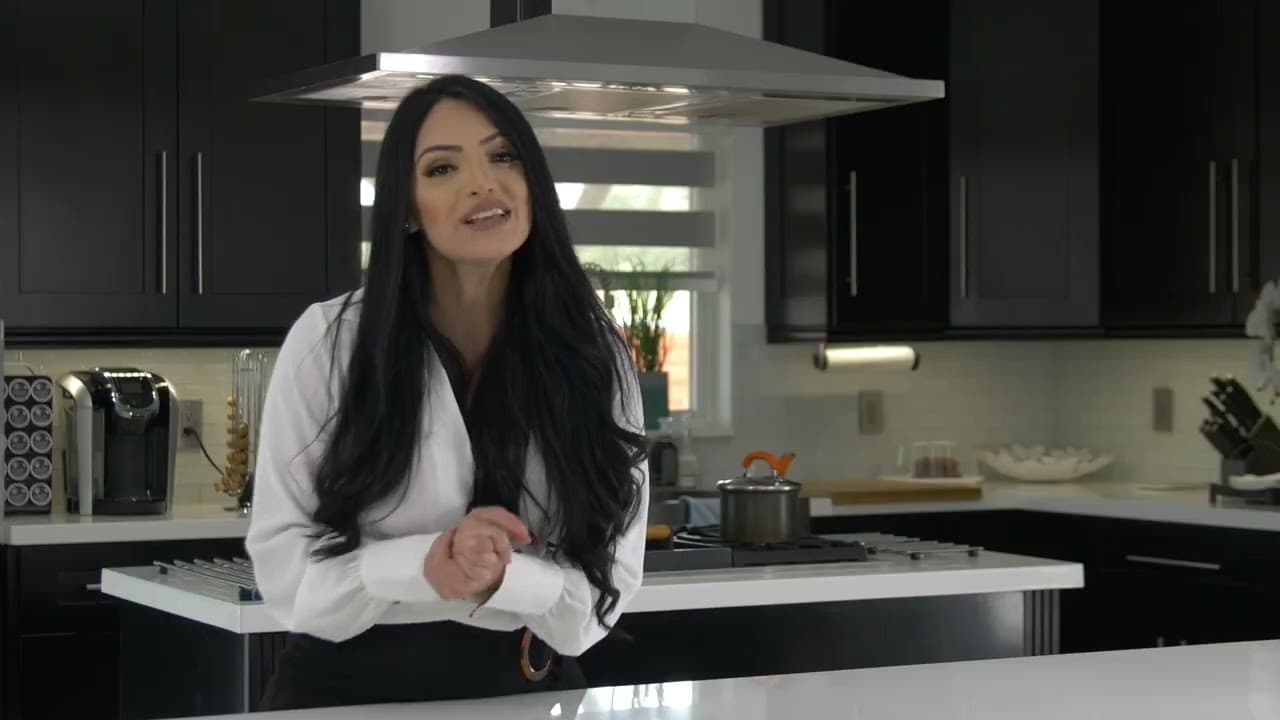
If a lavalier is not available, a directional microphone just outside the frame and pointed at the mouth is the next best option, far better than the camera's own microphone across the room. Record a test sentence at the level the person will actually speak, play it back on headphones, and check for hum, rustle and echo before the real interview starts. On location, see how a clinic setting was handled in Healthy Smile Miami, filmed with video and sound by Esteban.
02
How do you light an interview at home without special equipment?
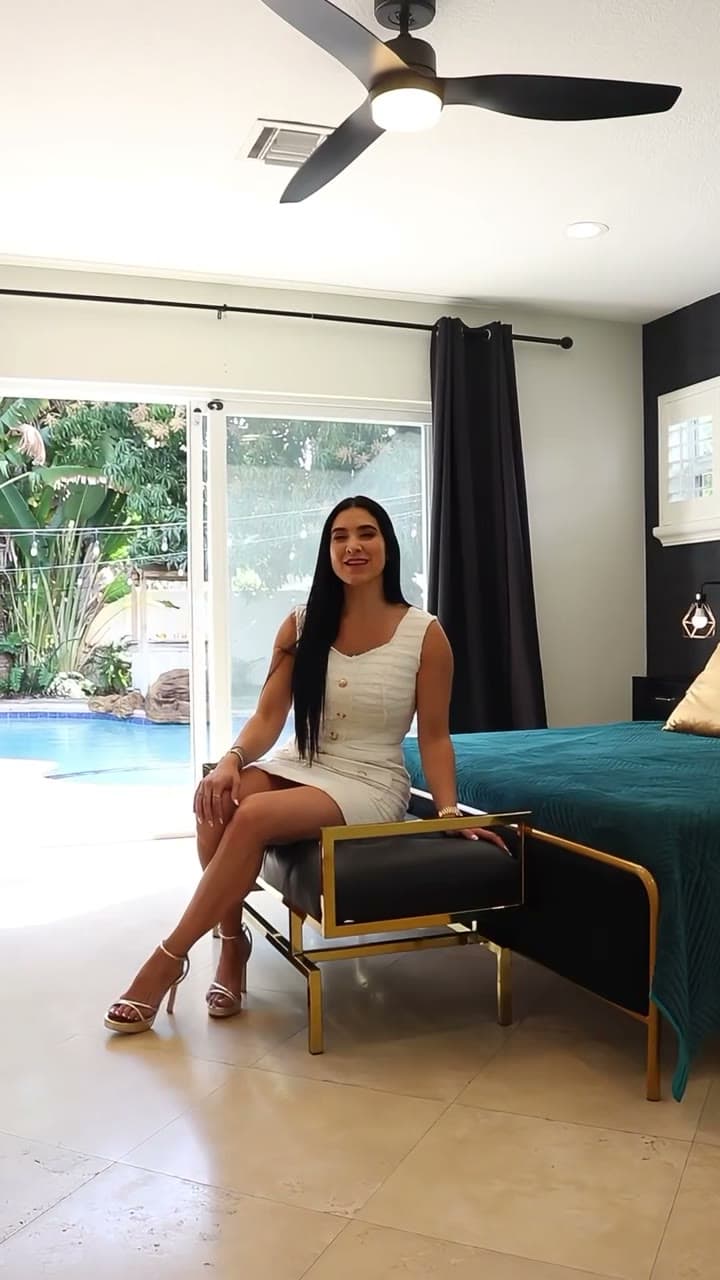
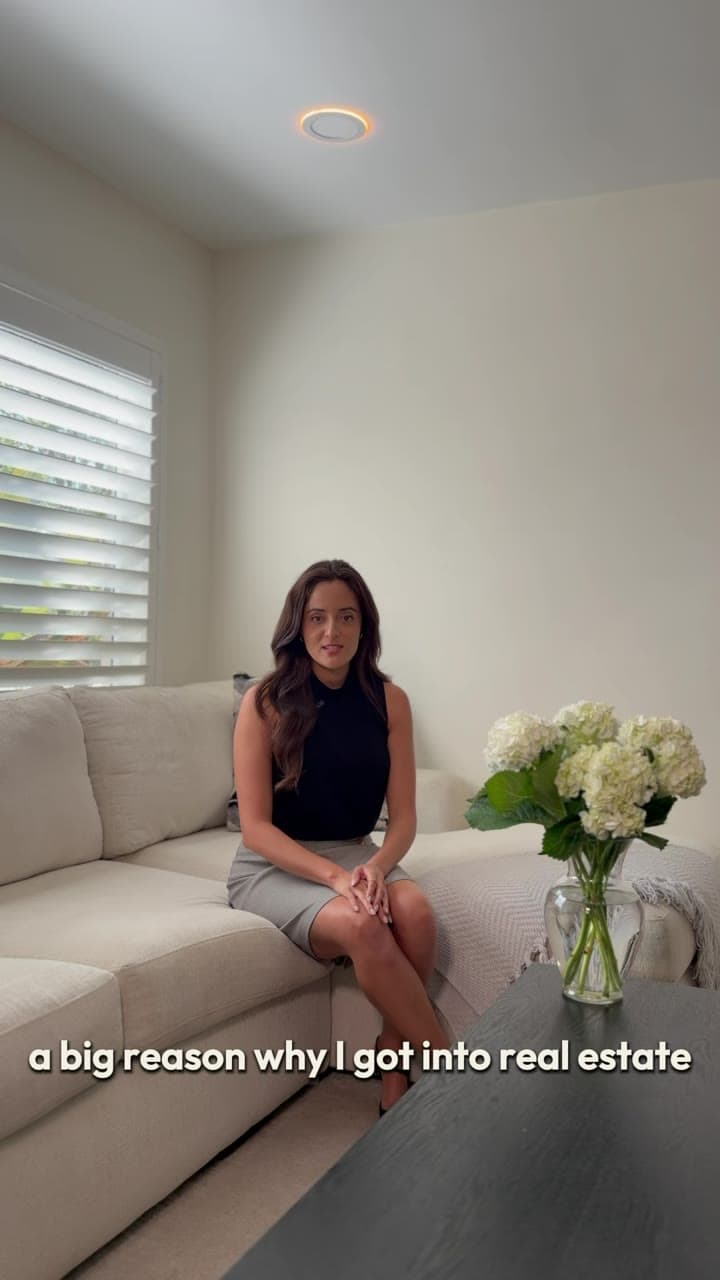
Use the biggest soft light you have, which is usually a window. Place the person so the window is in front of them and slightly to one side, never behind them, and turn off overhead lights that put shadows under the eyes and mix colours. A plain lamp on the other side, bounced off a white wall, can fill in the darker half of the face.
Keep the background simple and a little darker than the face, so the eye goes to the speaker. Avoid mixing daylight with warm bulbs in the same shot, because no single colour setting can make both look right. Sit the camera at eye level, a little above if anything, and frame with some space above the head. Record a few seconds of the empty room with nobody speaking; that room tone lets the editor smooth over cuts without a sudden change in background sound.