01
What makes the first three seconds of a social ad work?
The first seconds have one job: give the viewer a reason not to scroll. That reason can be movement, a surprising image, or a sentence that names a problem the viewer already has. What it cannot be is a logo, a slow fade-in, or a greeting, because none of those tells the viewer why this video is for them.
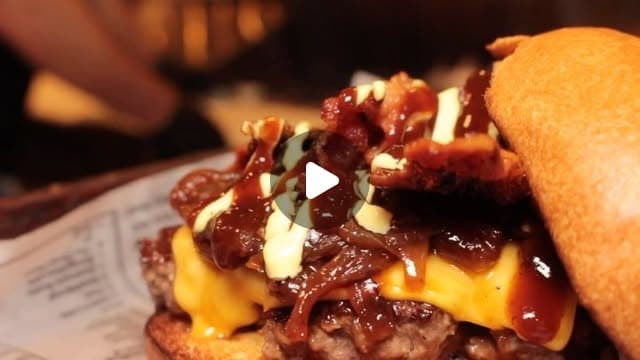
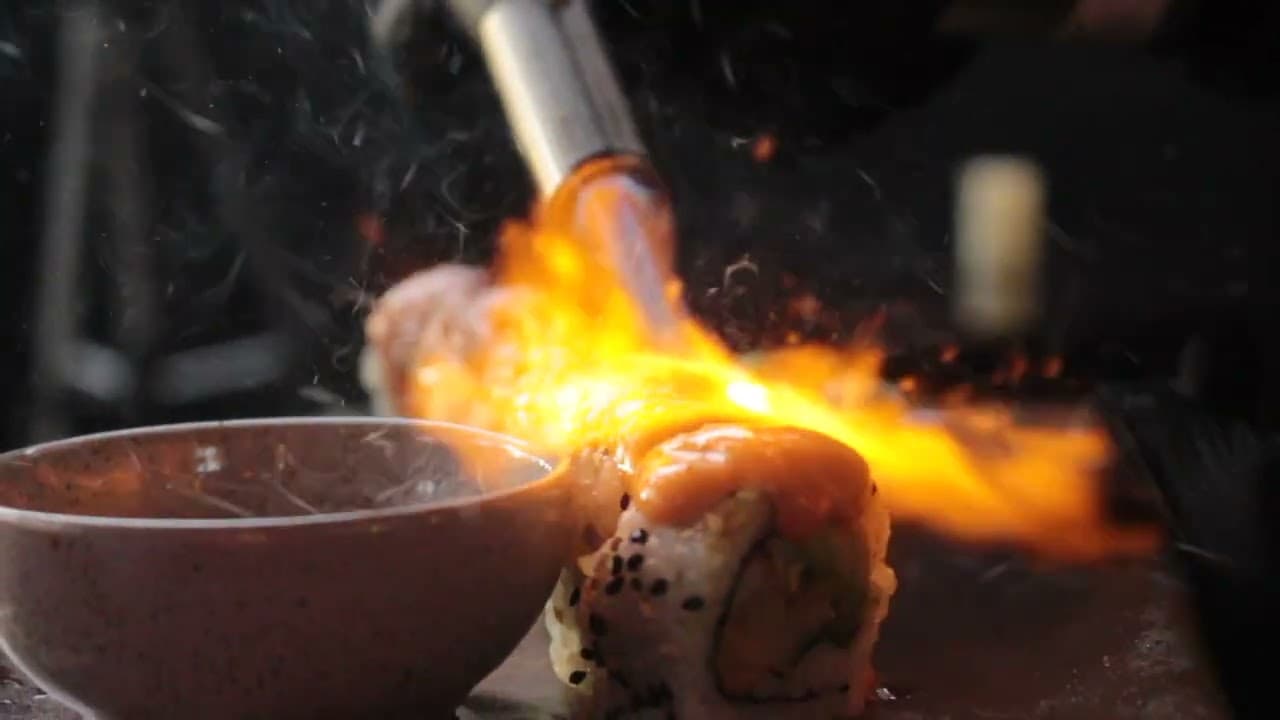
Write the opening line before the rest of the script and test it out loud: if it only makes sense after the second sentence, it is not an opening. Show the product or the result in the same moment the line is spoken, so sound-off viewers get the point from the picture. For hospitality, the restaurant promo video editing page shows how dish and kitchen shots carry an opening without narration. Keep a few alternative first lines; swapping only the hook is the cheapest test an ad can run.
02
How should the rest of a short ad script be structured?
After the hook, a short ad usually needs three beats: what the offer is, why it is believable, and what to do next. Each beat should be one or two sentences, written the way people speak, and matched to a shot that shows it. A script that describes things the camera never shows leaves the editor filling the gap with generic footage.
The believable part is where most scripts go wrong. A real detail — a named dish, the actual room, the person who does the work — persuades more than a superlative, and it does not promise anything the business cannot back up. End with one action stated plainly, such as booking, calling or visiting, and put it on screen as text as well as in the voice. Read the full script against a timer: if it runs long, cut a beat rather than speeding up the delivery. For on-location example work, see Healthy Smile Miami.