01
How do AI-assisted visuals and studio shoots compare on time and effort?
A studio shoot puts the whole cost up front: building or renting a set, lighting it, scheduling people and props, sometimes securing a location, then editing the results. Every new environment means another setup. AI-assisted visuals move most of that effort to after a single, simpler shoot of the product itself, because new backgrounds and settings are generated around the real photos rather than built.
That makes AI assistance useful when a brand needs many variations of the same product — seasonal scenes, several colours of backdrop, versions for different campaigns — and comparatively less useful when it needs one definitive image. Either way, the starting point is the same: accurate photos of the real product, without which neither approach produces images a customer can trust.
- Faster iteration on campaign visuals
- Environment variations without building a set
- Product accuracy only when anchored to real photos
02
When is traditional studio photography the better choice?
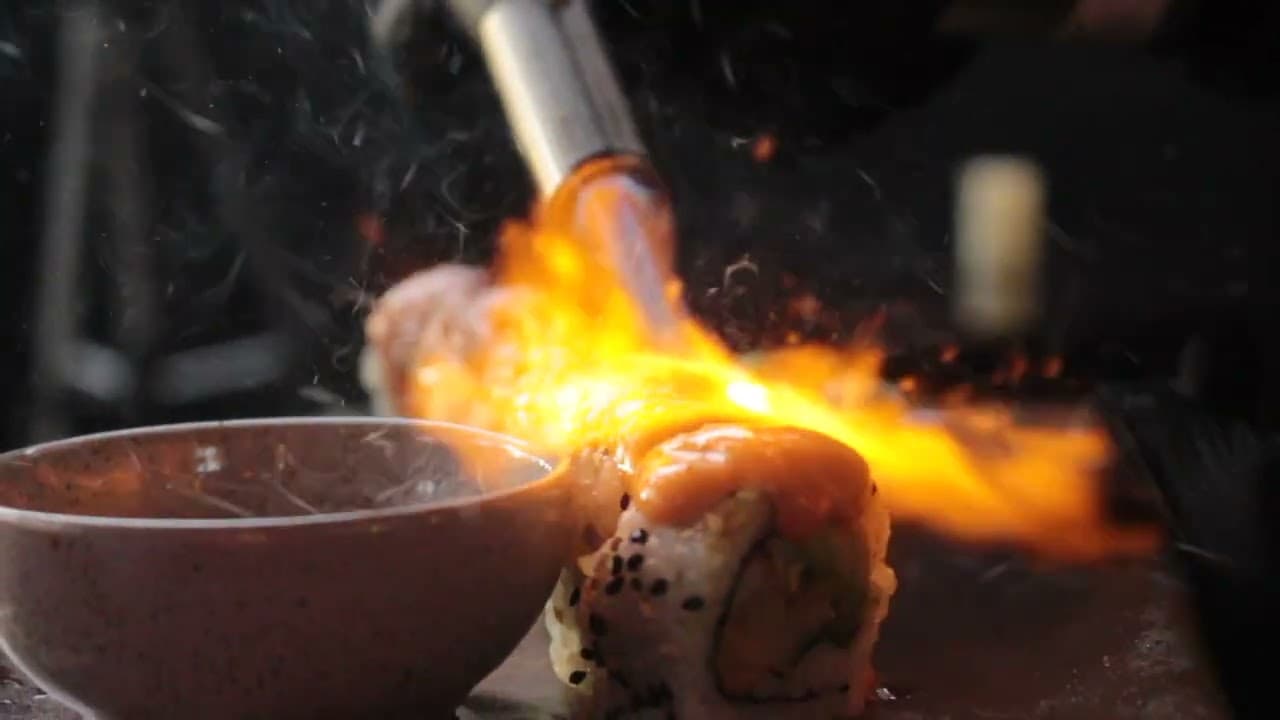
When the image depends on something physically happening. Hands using the product, a liquid splashing, fabric draping, food being cut, a texture that has to be felt through the screen: these interactions are where generated images most often look wrong, and where a camera simply records what is real. The same goes for products whose value is in fine detail, such as jewellery, where any invented reflection or edge is noticeable.
A hybrid approach combines both. Photograph the product carefully in a studio, including the shots that need real interaction, then use AI tools to place those clean photos into additional settings for advertising and social media. Keep the studio images for the product page, where accuracy matters most, and use the AI-assisted variations where atmosphere matters more than exactness. Label which is which in your files.