01
Why can remote editing remove studio overhead?
Modern post-production no longer requires booking time in an expensive edit suite. By using high-speed cloud storage links and collaborative asset transfer tools (such as Dropbox, Frame.io, Google Drive, or MASV), footage handoff happens asynchronously without physical media transit delays.
Eliminating the physical edit suite removes overhead costs associated with commercial studio real estate and equipment maintenance. This allows creative budgets to focus directly on narrative craft, audio mastering, color grading, and rapid revision turnarounds. Explore how remote workflows support dynamic content on our short-form video editing services page, or learn how to transfer raw files efficiently in our guide on how to send large video files to an editor.
- Asynchronous handoff: footage transfers directly via cloud platforms without shipping physical drives
- Lower overhead: project budgets focus on editing craft rather than facility rental fees
- Rapid revision rounds: version stacking and timecode notes reduce feedback cycles
02
How do project-based post-production and studio day rates compare?
Understanding how local production facilities bill compared to dedicated remote editors helps marketing teams allocate creative spend predictably.
Local production houses typically quote full-service day rates or half-day studio minimums to cover studio floor space, lighting grids, camera packages, and on-site engineering staff. These costs are essential when building physical sets or filming multi-camera live segments, but add unnecessary overhead when working purely with existing footage.
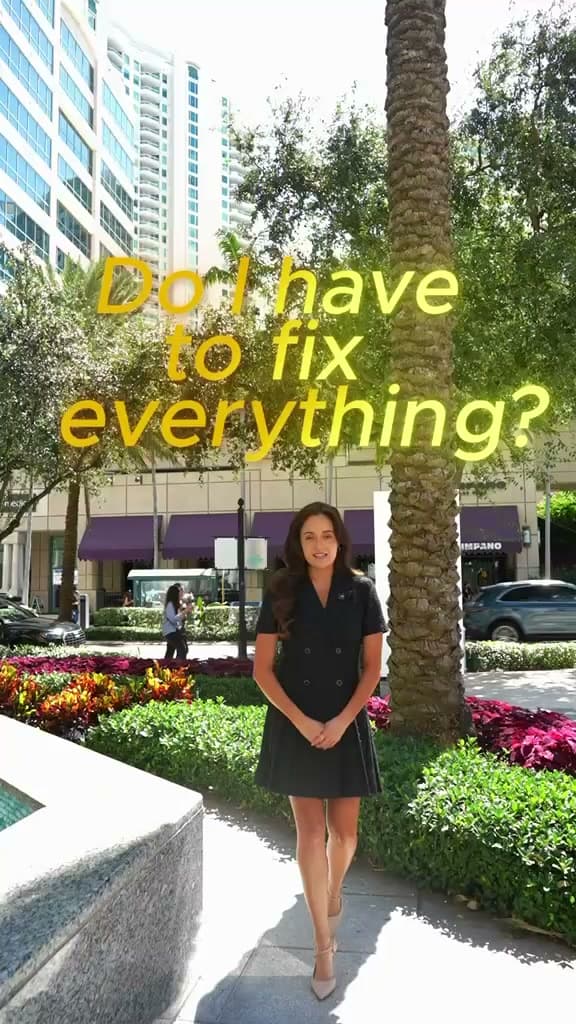
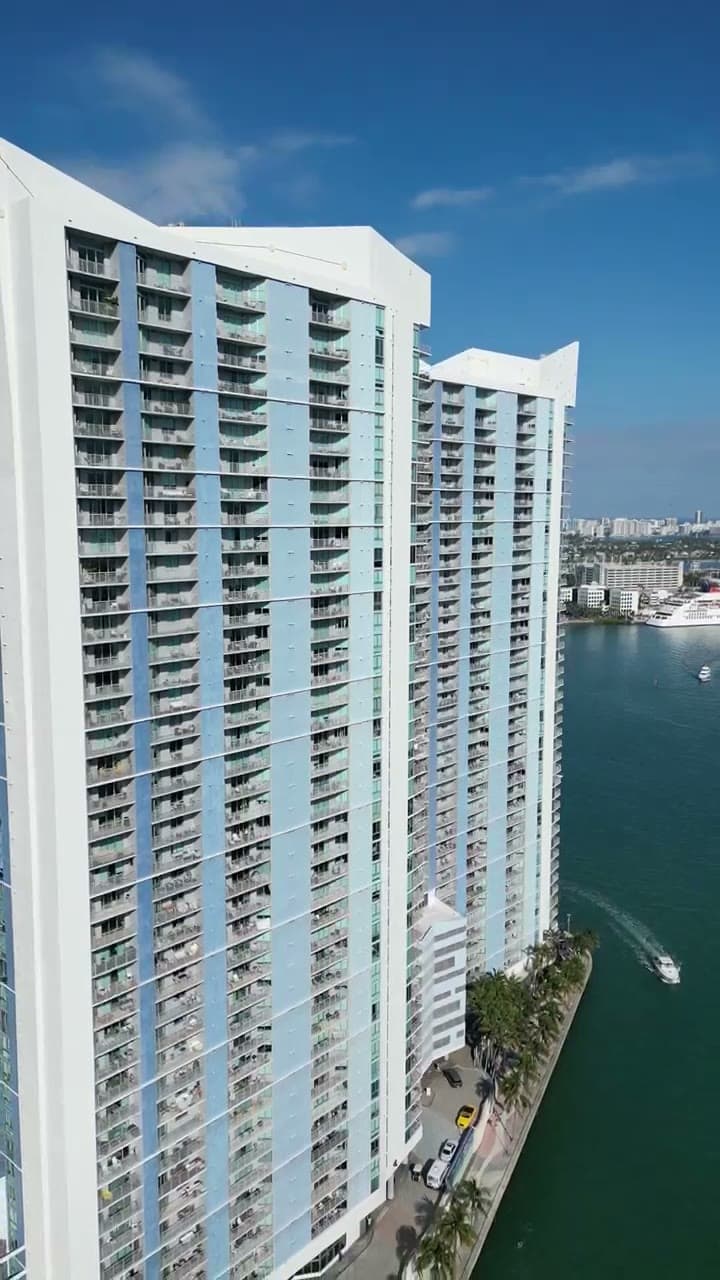
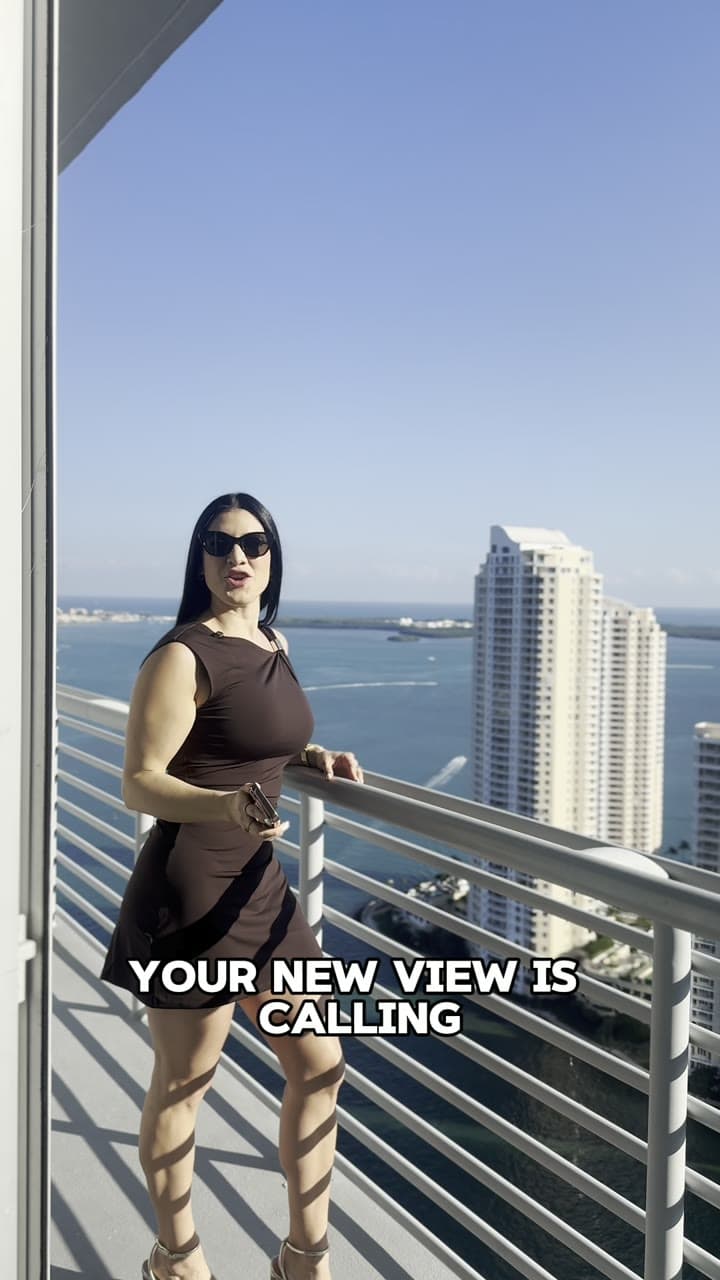
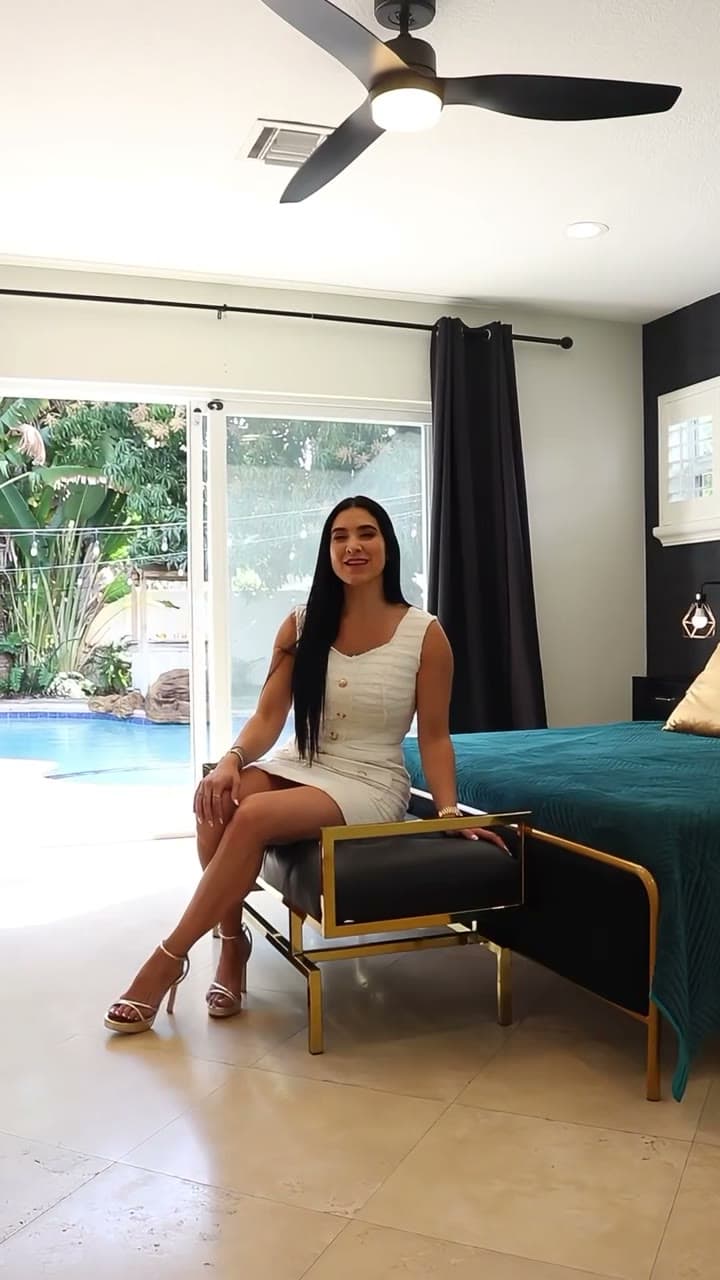
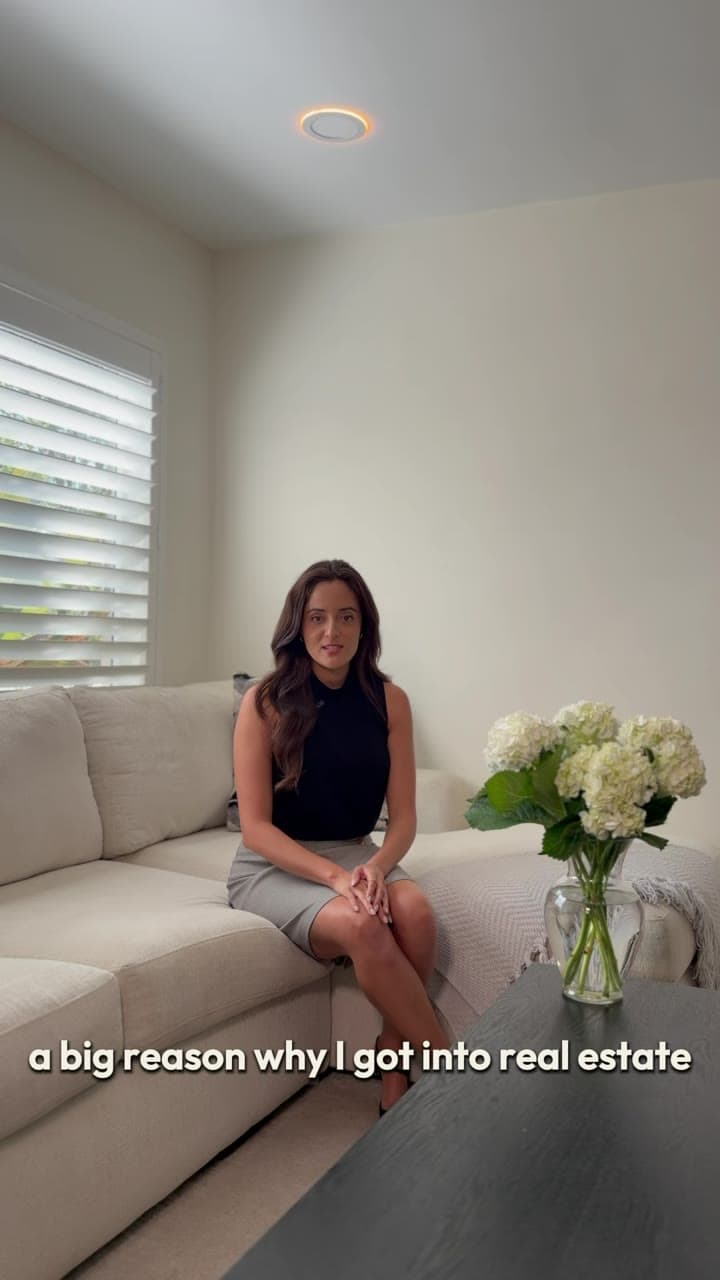
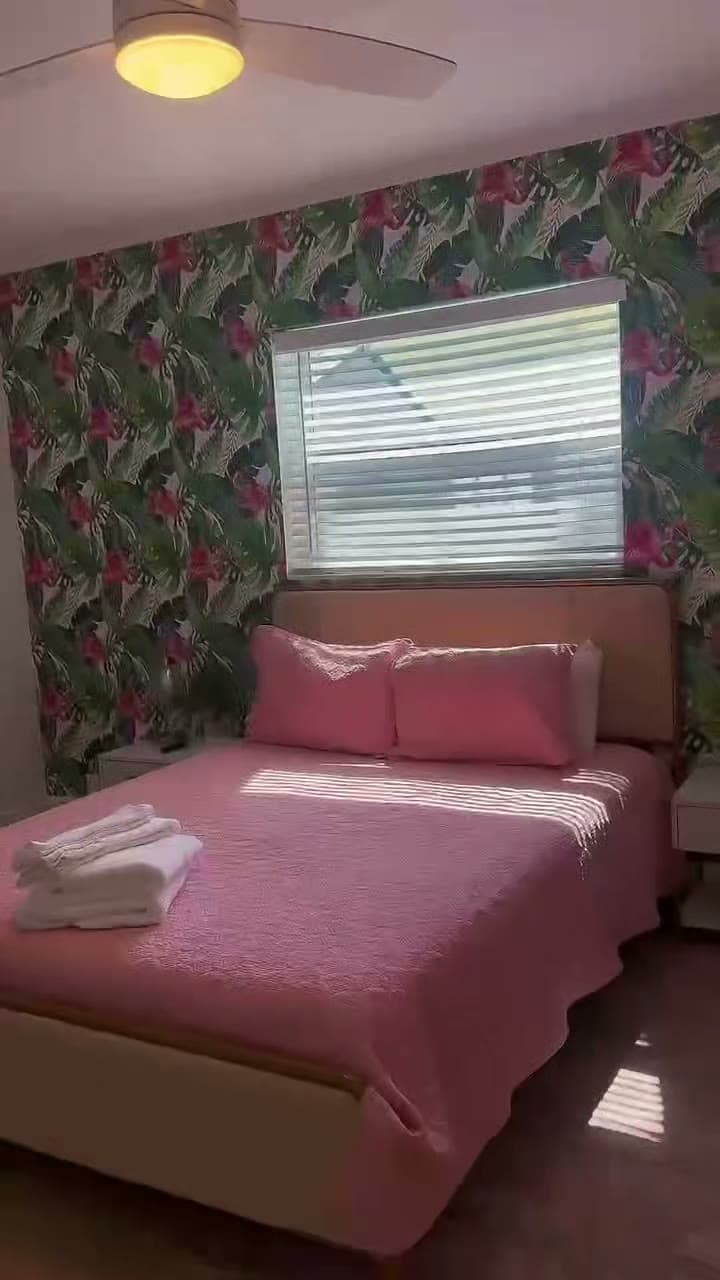
Remote post-production is structured around per-deliverable packages, batch content retainers, or scoped project milestones. For businesses with in-house recorded assets or smartphone footage, remote editing delivers maximum cost efficiency. See how supplied agency assets were structured into a clean real estate edit in the Homeowners portfolio project (and Homeowners case study), or review our full range of video production and editing services.
- Studio day rates: cover camera packages, physical sets, lighting grids, and on-site crew
- Remote project packages: focused exclusively on editing assembly, sound design, and color grading
- Flexible scaling: expand or contract editing volume month-to-month without facility commitments
03
Which collaboration tools and review workflows suit remote teams?
Effective remote post-production relies on standardized project handoff protocols and precision review platforms.
Using timecode-accurate review tools (like Frame.io or Vimeo Review), marketing managers and creative directors can pause at any frame, draw annotations, and leave contextual notes directly on the timeline. This eliminates ambiguous email chains and ensures revision requests are addressed accurately in the next cut.
For teams capturing high-resolution 4K or 6K footage, an offline proxy pipeline allows editors to cut lightweight files smoothly while raw masters stay secure. To align project scope before starting, consult our guide on how to write a video brief or review the distinction between camera capture and post-production in video editor vs videographer.
- Timecode-linked feedback: leave precise frame-by-frame annotations directly on video drafts
- Proxy editing pipelines: edit high-resolution camera media remotely without playback lag
- Centralized asset management: maintain organized project bins, graphic assets, and audio stems in shared cloud storage
04
When is a local studio required, and when does remote editing fit?
Choosing between a local production studio and a remote editor depends on whether your project requires on-location filming or post-production assembly.
Choose a Local Production Studio when: You need to film on a physical soundstage, require custom lighting sets or cyclorama walls, or need in-person directing for multi-talent commercial shoots in South Florida.
Choose Remote Video Editing when: You already have recorded footage from past events, webinars, customer interviews, or smartphone video; you need consistent social media content repurposing; or your team needs rapid turnaround on motion graphics, captions, and color grading. If you are assessing project requirements, start with our video strategy assessment or reach out directly through our contact page.
- Local studio: physical filming, custom set builds, in-person talent directing, and on-location camera crew
- Remote editor: post-production assembly, footage repurposing, sound design, color balancing, and motion graphics
- Hybrid model: local camera capture combined with remote post-production for maximum agility
Questions before requesting a quote